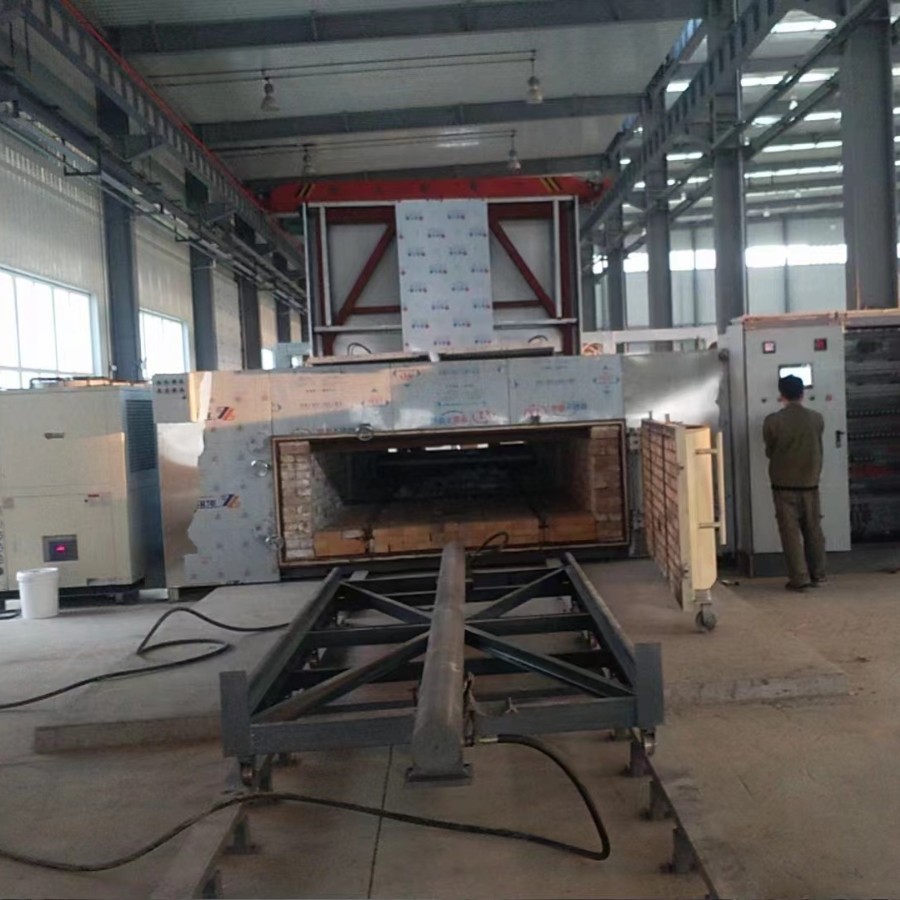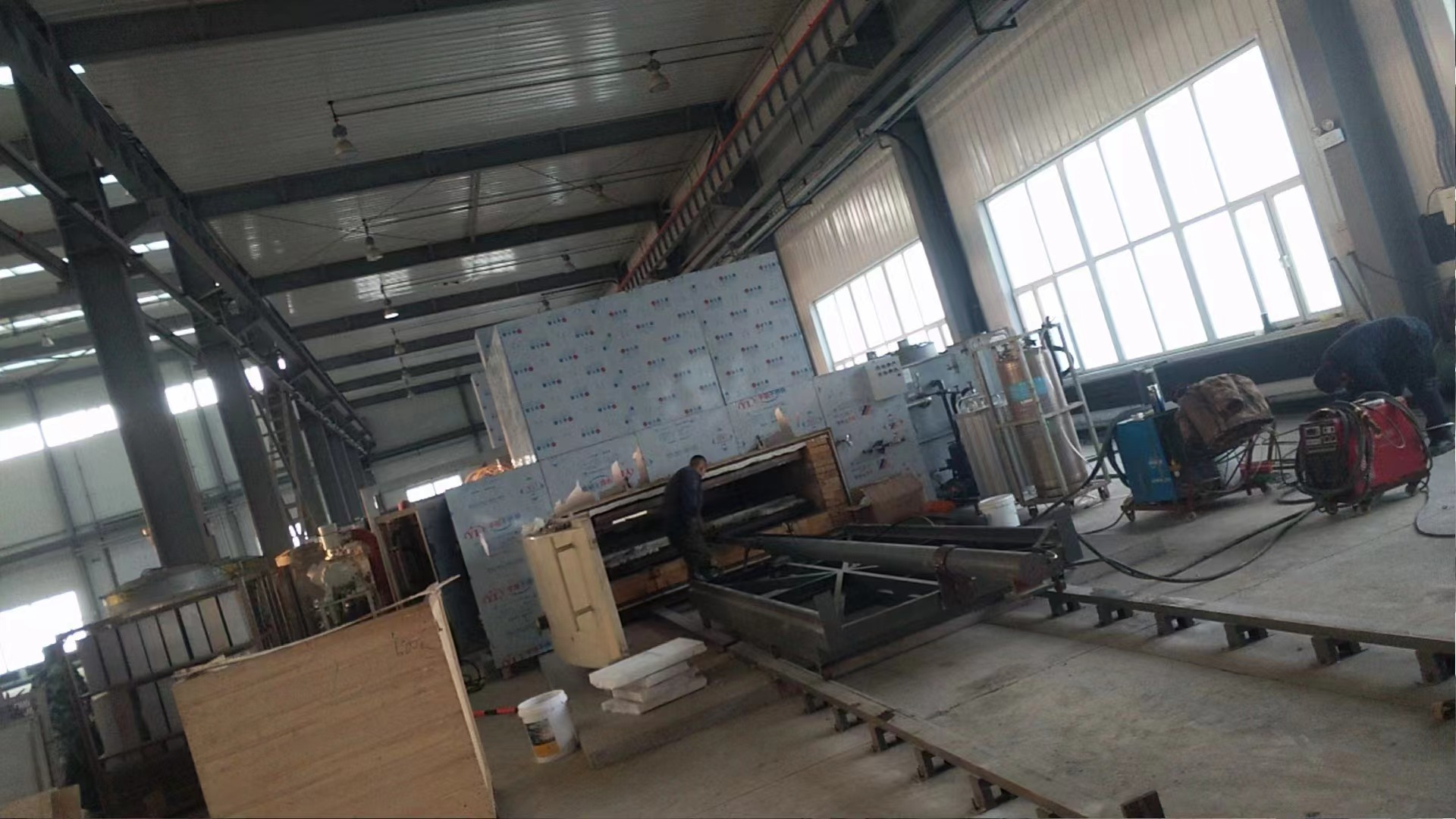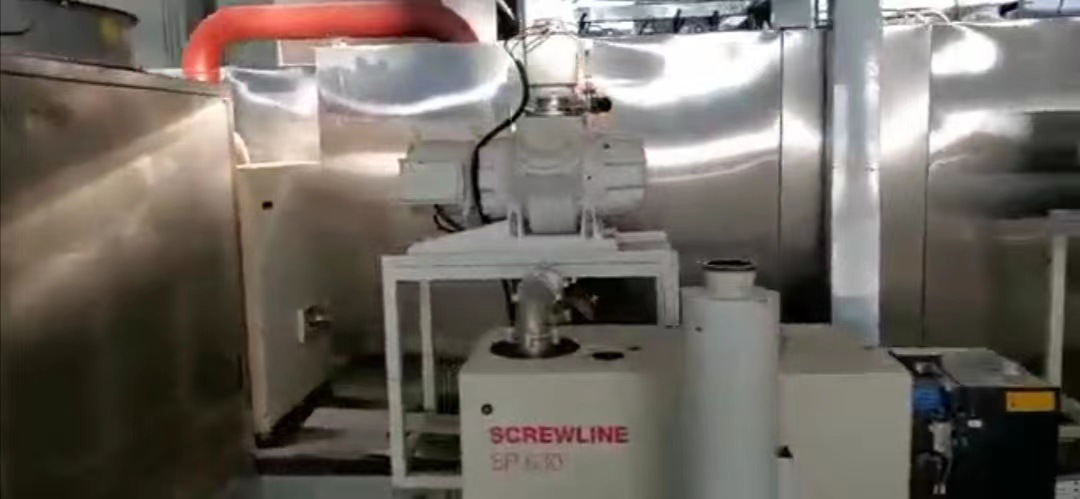
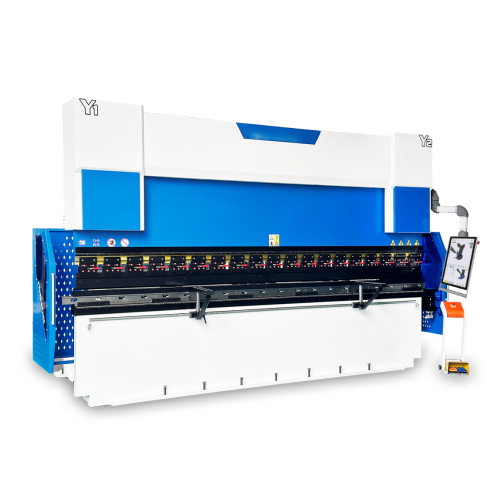
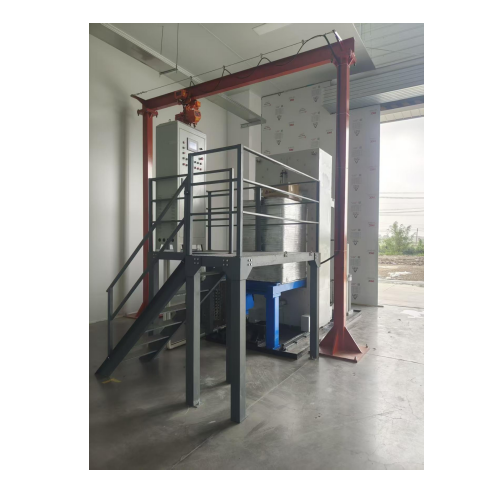

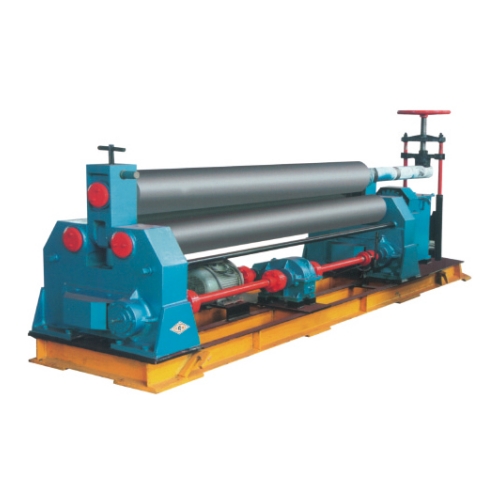
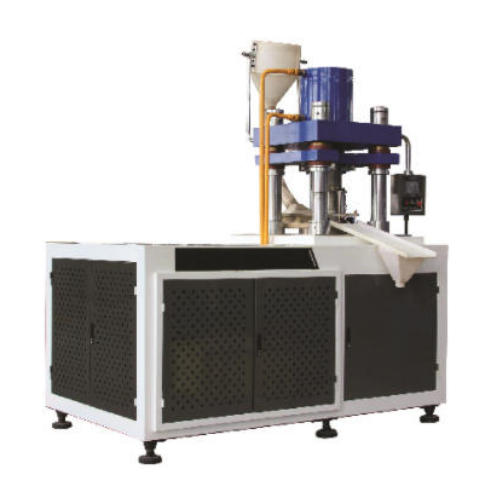
Industrial High-Temperature 500KW Microwave Kiln Sintering Furnace
Product Details & Specifications
Item | Details / Specifications |
Equipment Model | KER-GW-500KW1700℃-W Type |
Main Unit Dimensions (L × W × H) | 12000 × 5000 × 1800 mm |
Operation & Maintenance Footprint (L × W × H) | 20000 × 10000 × 3000 mm |
Distance Between Main Unit & Independent Control Cabinet | 1500 mm |
Internal Equipment Width | 2000 mm |
Equipment Support Frame Height | 1800 mm |
Internal Height of Heating Zone | 200 mm |
Choke / Suppressor Opening Height | 200 mm |
Control Mode | PLC Automation |
Power Supply Voltage | AC 380V ± 10% |
Power Frequency | 50 Hz |
Microwave Frequency | 2450 MHz |
Microwave Power | 500 kW |
Total Equipment Power Rating | 500 kW |
Apparent Power | 600 kVA |
Microwave Leakage Level | ≤ 2 mW/cm² |
Operating Environment Requirements | Free of flammable, explosive, and corrosive gases |
Inverter Power Supply Type | Enclosed, oil-immersed, and water-cooled |
Magnetron Cooling Method | Water-cooled |
Equipment Noise Level | < 70 dB |
Maximum Operating Temperature | 1700 ℃ |
Temperature Measurement Range | 0 to 1800 ℃ |
Temperature Control Precision | ± 2 ℃ |
Internal Temperature of Control Cabinet (During Operation) | < 50 ℃ |
Outer Surface Temperature of Heating Chamber (During Operation) | 60 ℃ to 70 ℃ |
Outer Surface Temperature of Electrical Enclosure (During Operation) | < 70 ℃ |
Ambient Temperature Range | 0 to 40 ℃ |
Ambient Humidity Range | < 80% |
Main Structure Material | National Standard (GB) Industrial Carbon Steel |
Place of Manufacture / Origin | Chaoyang City, Liaoning Province, China |
Application | Titanium Products |
Product Overview
The high-temperature microwave sintering furnace is a next-generation high-temperature sintering system. It offers unparalleled advantages that conventional high-temperature sintering equipment cannot match. By utilizing microwave heating principles, it enables rapid, uniform, and precisely controlled high-temperature material processing.
Key Advantages over Conventional Sintering Technologies
1. Volumetric Heating & Stress Reduction: Microwave sintering rapidly converts electromagnetic energy into molecular kinetic energy inside the material. This enables simultaneous internal and external heating, minimizes the internal temperature gradient, and reduces thermal stress to a absolute minimum. Consequently, it effectively prevents cracking and deformation during the sintering process.
2. Energy Efficiency & Eco-Friendliness: This technology significantly lowers the required sintering temperature. Combined with ultra-fast heating rates, it drastically shortens the sintering cycle and cuts energy consumption by 70% to 90% compared to conventional sintering. Furthermore, it noticeably reduces the consumption of atmospheric shielding gases, leading to a substantial decrease in waste emissions and waste heat discharge.
3. Enhanced Material Properties: Under the influence of microwave electromagnetic energy, the kinetic energy of internal molecules increases, diffusion coefficients rise, and the sintering activation energy decreases. This allows the material to sit and densify before the crystal grains have time to coarsen, resulting in a highly uniform, fine-grained microstructure. Additionally, the finished material features low porosity and smoother, more rounded pore shapes than traditional sintering, which delivers superior mechanical properties.
4. Deformation Control in High-Density Alloys: When sintering high-density alloys, the significant density difference between the solid and liquid phases often causes the solid phase to settle under gravity, leading to green body deformation. The ultra-fast heating rates achieved through microwave sintering effectively suppress and control this issue.