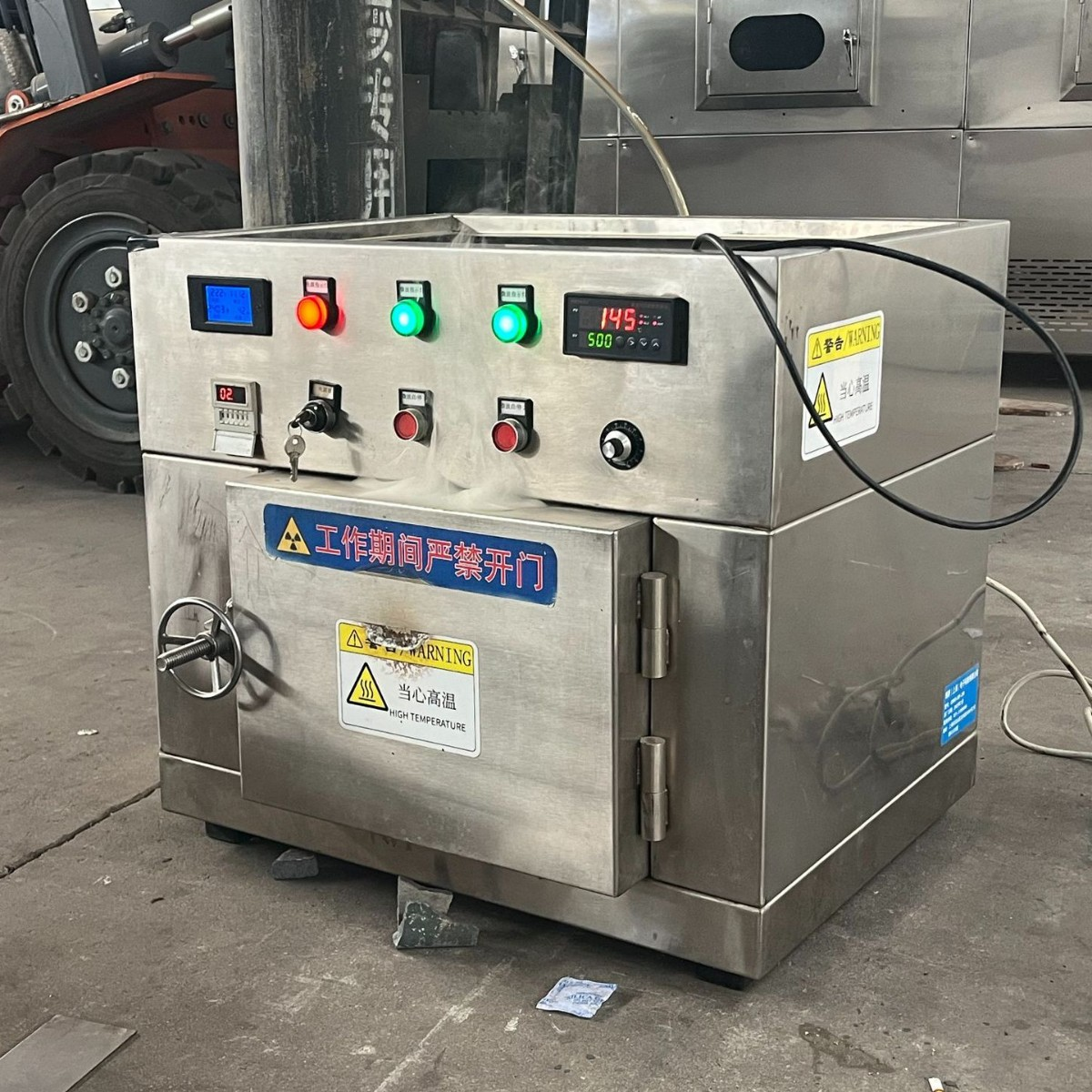
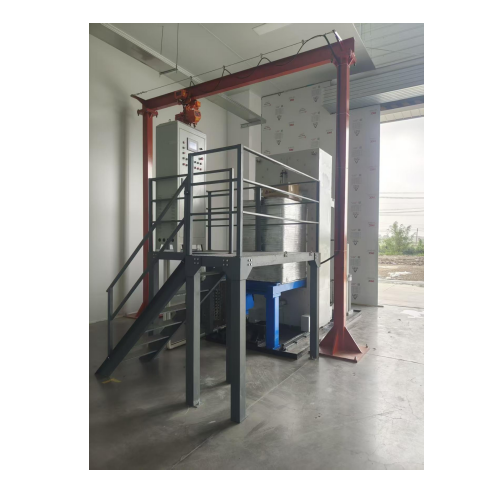

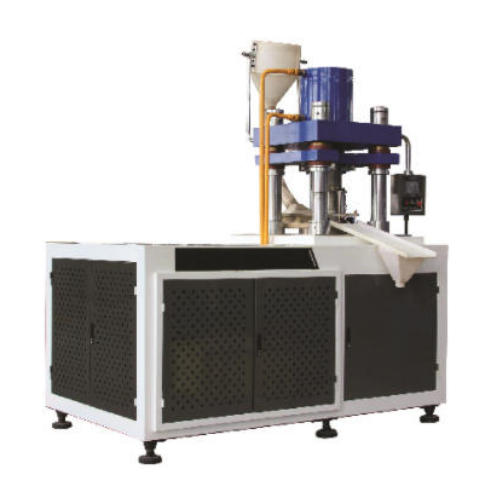
Small Laboratory High-Temperature 2000W Microwave Sintering Furnace
I. Main Application Fields
· Sintering Experiments: Powder metallurgy, hard magnetic materials, soft magnetic materials, metal magnets, structural ceramics, varistors, thermistors, piezoelectric ceramics, microwave dielectric ceramics, honeycomb ceramics, electrical porcelain, daily-use ceramics, carbon materials, catalysts, high-purity alumina, magnesium oxide, zinc oxide, zirconia, aluminum hydroxide, zirconium hydroxide, and various non-metallic elemental fine products.
· Process Development & Exploration: Various powder materials such as LED phosphors, trichromatic phosphors, long-afterglow rare earth luminescent materials, and battery materials (lithium cobalt oxide, lithium manganese oxide, ternary materials, lithium iron phosphate, nickel hydroxide, etc.).
· Other Materials & Applications: Various ceramic pigments, glazes, inorganic pigments, barium titanate, barium strontium titanate, strontium titanate, barium zirconate titanate, metal carbides, ferroalloy nitrides, diamond oxidation, and graphite reduction experiments.
II. Main Features
1. Industrial-Grade Reliability: Uses a specially made, high-performance industrial microwave source to ensure continuous, stable, and long-term operation.
2. High Efficiency: Achieves ultra-fast heating and significantly shortens holding times, multiplying experimental efficiency.
3. Dynamic Monitoring: Features adjustable microwave output power, timers, and temperature controls, allowing dynamic monitoring of temperature control curves.
4. Precision Measurement: Uses an imported high-precision, high-temperature infrared thermometer to directly measure sample temperatures.
5. Atmosphere Control: Equipped with gas inlet and outlet channels, making it suitable for experiments requiring inert gas protection, with controllable gas flow rates.
6. Zero Contamination: Offers a choice of various premium, specialized crucibles and insulation structures that prevent material contamination.
7. High Versatility: Capable of processing and testing various materials with different microwave characteristics.
8. Corrosion-Resistant Exhaust: Includes a corrosion-resistant exhaust channel to quickly discharge gases generated during the heating process.
9. Smart Operation: Uses a touchscreen display and interface. Temperature control curves and operation records are automatically stored and can be exported via USB.
10. Interlock Safety: Equipped with multiple safety locks; the microwave function will not start if the furnace door or heating chamber door is open or abnormally opened.
11. Radiation Shielding: Features a safe, reliable microwave shielding design with multi-channel leakage protection to ensure the health and safety of laboratory personnel.
III. Technical Specifications
1. System Composition
· Microwave heating chamber, microwave generator, control system, and equipment frame.
2. Operating Environment
· Power Supply Allocation: 2 KW
· Environmental Requirements: Dry, well-ventilated, free of conductive dust, moisture-free, and free of flammable, explosive, or corrosive gases.
3. Microwave System
· Number of Microwave Sources: 2 independent microwave sources.
· Microwave Configuration: The system consists of multiple microwave generators. The configuration is professionally engineered to ensure uniform heating. The microwave sources are positioned at the top of the chamber, utilizing the chamber walls for microwave reflection to heat materials evenly.
· Chamber Material: Stainless steel.
· Microwave Feed Location: Top feed, which evenly reflects microwave energy onto the heated materials.
· Cooling Method: Forced air cooling.
4. Control System & Mechanical Button Operation
1. Automatic Temperature Cut-off: When the temperature reaches the set upper limit, all microwave outputs stop. When the temperature drops below the set lower limit, the microwave sources start sequentially.
2. Delayed Cooling: After the microwave stops, do not turn off the power lock immediately. Allow the small cooling fans to continue running for a delay period of approximately 20 minutes before shutting down.